
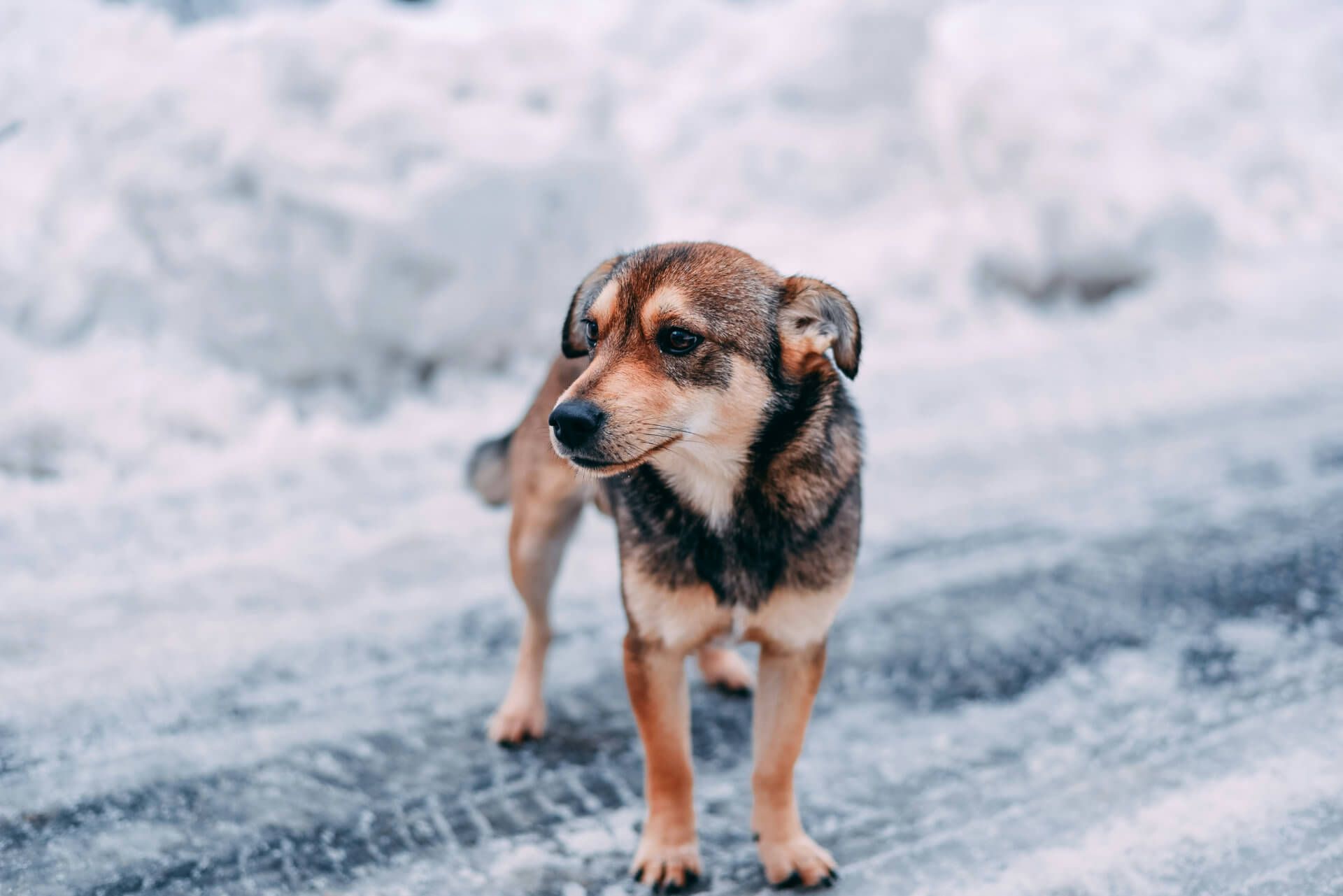
Winter Safety for Dogs
Keeping Your Pet Warm, Happy and Healthy
When temperatures drop and the days get shorter, winter brings its own set of challenges for dog owners. Whilst some dogs absolutely love the cold weather, others feel it keenly, and all dogs face specific risks during the winter months. Understanding how to keep your four-legged friend safe, warm, and comfortable will help you both enjoy the season.
Do Dogs Feel the Cold?
The simple answer is yes, but how much depends on several factors. Dogs with thick, double coats like Huskies and Malamutes are built for cold weather and often thrive in it. However, many dogs feel the cold just as much as we do - sometimes more.
Dogs most vulnerable to cold
Small breeds and toy dogs (Chihuahuas, Yorkshire Terriers)
Thin or short-coated breeds (Greyhounds, Whippets, Staffies)
Elderly dogs
Puppies
Dogs with health conditions, particularly arthritis
Very young or underweight dogs
Signs your dog is too cold
Shivering or trembling
Reluctance to walk or slowing down
Whining or appearing anxious
Lifting paws off the ground
Hunched posture with tucked tail
Seeking warm places or trying to turn back home
Winter Walking Safety
Adjust walk times
Consider walking during the warmest part of the day, typically late morning or early afternoon. Avoid early morning and evening walks when temperatures are at their lowest, especially if your dog is vulnerable to cold.
Invest in dog coats
Not all dogs need coats, but many benefit from them. A well-fitted, waterproof coat can make winter walks much more comfortable for short-haired or small dogs. Look for coats that cover the chest and belly as well as the back.
Paw protection
Winter pavements can be harsh on paws, especially when treated with grit and salt. Consider:
Dog boots for sensitive paws (introduce these gradually)
Paw balm or wax applied before walks to create a protective barrier
Washing and drying paws after walks to remove salt and grit
Trimming fur between paw pads to prevent ice ball formation
Visibility is crucial
With darker mornings and evenings, visibility becomes a safety issue.
Use:
LED collars or light-up tags
Reflective harnesses and leads
High-visibility dog coats
A head torch for yourself
Watch for ice
Frozen ponds, lakes, and rivers are extremely dangerous. Never let your dog venture onto ice, no matter how solid it appears. Keep them on lead near any frozen water.
The Danger of Antifreeze
Antifreeze (ethylene glycol) is one of the most dangerous substances for dogs, and winter is when it's most commonly used. Just a tiny amount can be fatal, and tragically, it has a sweet taste that dogs find appealing.
Prevention
Store antifreeze securely out of reach
Clean up any spills immediately and thoroughly
Use pet-safe antifreeze products where possible
Be vigilant in car parks and driveways
Symptoms of antifreeze poisoning
Appearing drunk or wobbly
Vomiting
Excessive drinking or urination
Rapid breathing
Lethargy or weakness
Seizures (in advanced cases)
If you suspect antifreeze poisoning, this is a critical emergency. Contact your vet immediately - every minute counts.
Rock Salt and Grit
The salt and grit used on roads and pavements can cause problems for dogs:
Chemical burns on paw pads
Irritation and cracking
Stomach upset if licked from paws
Toxic if consumed in large quantities
Protection
Wash paws with warm water after walks
Check pads for cracks, redness, or soreness
Use paw balm to soothe and protect
Consider alternative walking routes that avoid heavily gritted areas
Winter Nutrition and Hydration
Energy requirements may increase
Dogs who spend time outdoors in cold weather burn more calories to stay warm. You may need to slightly increase food portions for very active outdoor dogs, but be careful not to overfeed indoor dogs who may be less active in winter.
Water is still essential
Dogs need fresh water year-round. Check outdoor water bowls haven't frozen, and ensure your dog has constant access to fresh water indoors.
Watch the weight
Winter can lead to weight gain if exercise decreases but food intake doesn't. Excess weight puts additional strain on joints, which is particularly problematic for dogs with arthritis.
Indoor Comfort
Warm, dry bedding
Ensure your dog's bed is away from draughts and in a warm part of the house. Raised beds help keep them off cold floors, and extra blankets provide warmth and comfort.
Heating considerations
If you use space heaters or open fires, ensure they're safely guarded. Dogs can accidentally burn themselves or knock heaters over. Never leave your dog unattended with heating appliances.
Drying wet dogs
Wet dogs get cold quickly. Keep towels by the door for post-walk drying, and consider a dog drying coat for long-haired breeds. Make sure dogs are thoroughly dry before settling down.
Arthritis and Joint Pain
Cold, damp weather often worsens arthritis symptoms. If your dog seems stiffer in winter:
Keep them warm and dry
Consider a heated bed or heat pad designed for pets
Maintain gentle, regular exercise rather than long, intense walks
Speak to your vet about pain management options
Consider joint supplements (after consulting your vet)
Fireworks and Dark Nights
Winter includes Bonfire Night and New Year's Eve - times when fireworks can frighten dogs. Additionally, dark evenings can increase anxiety in some dogs. Maintain routine where possible, and create a calm, secure environment indoors during firework season.
Snow Safety
Whilst many dogs love snow, it presents some risks:
Snowballs between pads
Long-haired dogs can develop painful ice balls between their toes. Trim the fur between paw pads, or use boots.
Hidden hazards
Snow can conceal dangerous objects, holes, or fragile ground. Stay on familiar paths.
Getting lost
Snow can obscure scents and landmarks. Keep your dog on lead if visibility is poor or snow is deep.
Eating snow
A few mouthfuls are fine, but eating lots of snow can cause stomach upset or lower body temperature.
White-out conditions
In heavy snow, keep walks short and stay close to home. White dogs can be hard to spot in snow - high-visibility gear helps.
Car Safety in Winter
Warm up before walks
Don't leave your dog in a cold car for extended periods. Whilst we worry about hot cars in summer, very cold cars are also dangerous, particularly for small or elderly dogs.
Engine checks
Cats sometimes shelter in car engines during cold weather. Bang on the bonnet before starting your car to give any hiding animals a chance to escape.
Health Checks
Monitor older dogs
Cold weather can exacerbate existing health conditions. Watch for changes in behaviour, mobility, or appetite.
Paw pad inspections
Regularly check pads for cracks, cuts, or sores. Moisturise with dog-safe paw balm.
Skin and coat health
Central heating can dry out skin. Regular grooming distributes natural oils and helps you spot any problems.
When to Skip the Walk
Sometimes it's genuinely too cold or dangerous to walk:
Severe weather warnings
Heavy ice making pavements treacherous
Extreme wind chill
Flooding or storm conditions
Temperatures well below freezing for vulnerable dogs
On these days, focus on indoor enrichment - training games, puzzle toys, and indoor play can tire dogs mentally even if they can't exercise physically.
Countryside and Wildlife Considerations
Livestock
Winter is lambing season in some areas. Keep dogs on leads around livestock, who may be more vulnerable and protective in cold weather.
Wildlife
Animals like hedgehogs hibernate, and disturbing them can be fatal. Keep dogs away from areas where wildlife might be sheltering.
Frozen ground
Frozen mud with sharp ridges can cut paw pads. Stick to grassy or treated paths where possible.
Emergency Preparedness
Winter kit
Keep these items handy
Torch with fresh batteries
Reflective gear
First aid kit
Emergency contact numbers
Spare lead and collar
Towels for drying
Mobile phone (fully charged)
Know your limits
If conditions are challenging for you, they're probably difficult for your dog too. There's no shame in cutting a walk short if weather deteriorates.
Embracing Winter Together
Winter doesn't have to mean misery. Many dogs absolutely love cold weather - crunching through frost, playing in snow, and enjoying crisp, clear days. With the right preparation and awareness, you can both enjoy the season safely.
Winter joys:
Frosty morning walks with beautiful scenery
Cosy evenings by the fire
Playing in the first snow
Quieter parks and beaches
Stunning winter sunrises and sunsets
The key is balancing enjoyment with safety, knowing your dog's individual needs, and being prepared to adapt to conditions.
When to Seek Veterinary Advice
Contact your vet if
Your dog shows signs of hypothermia (severe shivering, lethargy, weak pulse)
Paw pads are cracked, bleeding, or show signs of chemical burns
Your dog refuses to eat or seems unusually lethargic
Arthritis symptoms worsen significantly
You suspect antifreeze poisoning or salt ingestion
We're Here to Help
Winter weather can make daily dog walking more challenging. If you're struggling with dark mornings, icy conditions, or simply want to ensure your dog gets safe, regular exercise throughout winter, the Homes and Hounds team are here to help. We adjust our services for winter weather to keep every dog safe, warm, and happy.
Stay warm, stay safe, and enjoy the magic of winter with your faithful companion.